
Serve It With
Give the plate a finish
Use this as the crisp, bright, or sturdy thing that makes the rest of the meal feel complete.
- Best with
- Tacos, bowls, grilled plates, or sandwiches
- Texture
- Add close to serving when crunch matters
- Make-ahead
- Best fresh
- Refresh
- Retoss and adjust salt or acid before serving
Recipe Notes
Why this works
A wide hot skillet gives the zucchini space to brown before it releases too much water, garlic goes in late so it does not burn, and lemon plus herbs make the finished side taste bright instead of flat.
Zucchini
Use small to medium zucchini when you can. They cook quickly and usually have fewer large seeds than oversized zucchini.
Oil
Olive oil gives enough richness for a simple side. Use a neutral oil if you want a cleaner flavor.
Garlic
Add it near the end so it perfumes the pan without scorching.
Lemon and herbs
They are the finish that keeps the zucchini from tasting heavy or flat.
Start Here
The skillet side that saves a plain dinner
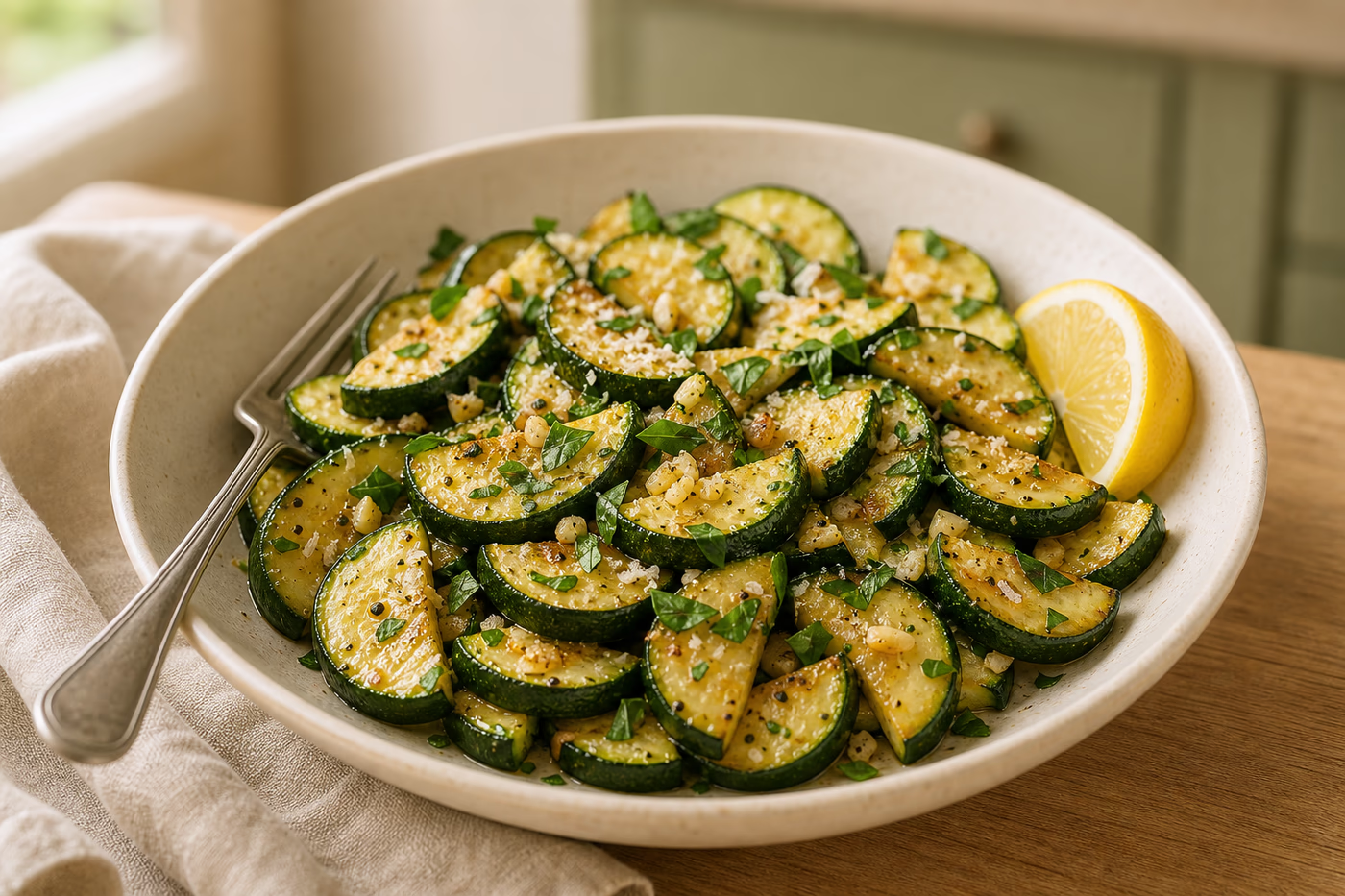
Sauteed zucchini is the vegetable side I make when dinner has almost arrived but the plate still looks a little too beige. It is quick, green, and useful with rice bowls, grilled chicken, tacos, pasta, eggs, or whatever else is trying to become dinner.
The main trick is not a fancy ingredient. It is giving the zucchini enough room and enough heat. Crowded zucchini steams itself into a soft pile. A wide skillet gives the cut sides a chance to brown before the centers give up too much water.
My small opinion: zucchini should leave the pan before it looks completely done. It keeps softening from its own heat. If you wait until every piece looks tender, you are already walking toward mush.
Trim zucchini into even 1/2-inch half-moons.
Start in hot oil without stirring.
Toss until browned in spots and tender-crisp.
Add garlic, lemon, herbs, and optional Parmesan.
Ingredients
What you need
This is a short ingredient list because zucchini does not need a committee. You need the squash, enough oil for the skillet, salt and pepper, garlic, lemon, and herbs. Parmesan is good if it fits your table, but the base recipe does not depend on it.
Zucchini
Small to medium is easiest. Oversized zucchini can be watery and seedy. If that is what you have, scoop the soft center before slicing.
Olive oil
Use enough to coat the pan. Dry zucchini sticks before it browns. Too much oil makes the side feel heavy.
Garlic
Add it late. Garlic burns faster than zucchini cooks, so let the vegetable do its pan work first.
Lemon and herbs
This is the lift. Lemon juice, zest, parsley, basil, dill, or chives keep the finished skillet bright.
Method
How to saute zucchini
- Cut the zucchini. Trim the ends and slice into 1/2-inch half-moons. If the zucchini is very large, quarter it lengthwise first and scrape out any soft, seedy center.
- Heat the skillet. Put a large 12-inch skillet over medium-high heat. Add the olive oil and let it shimmer before the zucchini goes in.
- Give it space. Add the zucchini in as close to a single layer as your pan allows. If it piles up, cook in two batches. This is the difference between sauteed and steamed.
- Let the first side brown. Cook without stirring for 2 minutes. The pan should sound active, not furious.
- Season and toss. Sprinkle with 1/2 teaspoon salt and the black pepper. Toss, then cook for 4 to 6 minutes more, stirring every minute or so, until the zucchini is browned in spots and tender-crisp.
- Add garlic late. Stir in the garlic and cook for 30 to 60 seconds, just until fragrant.
- Finish off heat. Turn off the heat. Add lemon juice, lemon zest if using, herbs, and the remaining 1/4 teaspoon salt. Taste and adjust with more lemon, salt, pepper, red pepper flakes, or Parmesan if using.
Why It Works
The pan does most of the teaching
Zucchini holds a lot of water, so the pan has to help you manage it. A wide skillet gives moisture somewhere to go. A hot pan browns the cut sides before the vegetable slumps. Waiting two minutes before the first stir gives you color without needing breadcrumbs, batter, or extra fuss.
Salt is useful, but timing matters. I do not salt the zucchini on the cutting board for this quick version because I do not want to turn a fast side into a draining project. Instead, salt once the pieces are already in the hot pan and starting to cook.
The garlic waits until the end because burnt garlic makes the whole skillet taste harsh. Lemon and herbs go in after the heat is off so they stay fresh.
Texture
How to keep sauteed zucchini from getting soggy
Soggy zucchini usually comes from three things: pieces that are too small, a skillet that is too crowded, or cooking past tender-crisp. You do not need to panic. You just need to give the vegetable less opportunity to steam.
| Problem | Why It Happens | What To Do |
|---|---|---|
| Watery pan | The skillet is crowded or not hot enough. | Use a wider pan, cook in batches, and let the zucchini sit between stirs. |
| Mushy pieces | The zucchini cooked too long or was cut too small. | Use 1/2-inch half-moons and stop while the centers still have a little bite. |
| Burnt garlic | Garlic went in before the zucchini was close to done. | Add garlic during the final minute only. |
| Flat flavor | The pan has salt but no brightness. | Add lemon juice, herbs, pepper, or a small pinch of red pepper flakes. |
| No browning | The pieces moved too often. | Let the first side cook undisturbed for about 2 minutes. |
Swaps
What you can change
This is flexible, but not lawless. Keep the pan wide, the pieces even, and the finish bright. Change the herbs or serving direction around that.
| Swap | Works? | What to know |
|---|---|---|
| Yellow summer squash | Yes | Use the same size pieces. It usually cooks like zucchini. |
| Butter instead of some oil | Yes, not vegan | Add 1 tablespoon near the end for flavor. Keep oil in the pan for the first browning. |
| Parmesan | Optional | Add off heat. Omit for vegan, dairy-free, or stricter halal/rennet needs unless your cheese fits. |
| Onion | Timing change | Cook sliced onion first until softened, then add zucchini. It makes the recipe slower. |
| Cherry tomatoes | Separate variation | They release juice. Add only at the end if you want a saucier side. |
| Dried herbs | Yes | Use a pinch of dried thyme or Italian seasoning in the pan, then still finish with lemon. |
Serve It
What goes with sauteed zucchini
This is a small side with a lot of dinner range. I like it best next to something that already has protein or starch, because the zucchini brings freshness and the plate stops feeling like a beige negotiation.
- With grilled chicken: serve beside grilled chicken marinade and add extra lemon.
- In bowls: tuck it into grain bowls or burrito bowls with beans, rice, and a small sauce.
- With pasta: fold into pantry pasta with olive oil, garlic, lemon, and herbs.
- With eggs: put leftovers beside scrambled eggs, omelets, or a simple fried egg plate.
- With soup: serve as a green side next to easy vegetable soup or a freezer soup night.
If the plate still needs a finish, use the small sauce guide. Lemon yogurt, herby oil, chili crisp, or a little vinaigrette all make sense here.
Leftovers
How to store and reheat sauteed zucchini
Sauteed zucchini is best right after cooking, while the edges still have some life. Leftovers are still useful, but they will be softer. That is normal. Do not ask day-two zucchini to behave like a fresh skillet.
Cool leftovers and refrigerate them in a covered container. FoodSafety.gov’s cold storage chart gives a 3 to 4 day refrigerator window for many cooked leftovers; use that as the practical limit here.
For the best texture, reheat in a skillet over medium-high heat with a small slick of oil. Spread the zucchini out and let it warm without constant stirring. The microwave works, but it makes the pieces softer.
Make It Easier
What to read next
If you want a bigger vegetable dinner, use the skillet vegetable stir-fry map. If you want to turn this side into a bowl, start with grain bowl recipes or the pantry protein dinner map.
For another fast side that helps tacos, sandwiches, and grilled plates, keep vinegar coleslaw nearby. For storage basics, read safe meal prep for home cooks.
FAQ
Sauteed zucchini questions
How long does it take to saute zucchini?
Once the zucchini is cut, the skillet time is usually 8 to 10 minutes. The exact timing depends on pan width, heat, zucchini size, and how tender you like it.
Should I salt zucchini before sauteing?
For this quick recipe, salt it in the pan after the first side starts cooking. A separate salt-and-drain step can help with very watery oversized zucchini, but it is not necessary for a fast weeknight side.
Can I saute zucchini and yellow squash together?
Yes. Cut both into similar-size half-moons and cook them the same way. If the pan looks crowded, cook in two batches.
How do I make sauteed zucchini not mushy?
Use a wide hot skillet, cut the zucchini into 1/2-inch pieces, avoid crowding, stir less at the beginning, and stop cooking while the centers are still tender-crisp.
Can I make this without Parmesan?
Yes. The base recipe is good with lemon, herbs, pepper, and olive oil. Omit Parmesan for vegan or dairy-free meals, or use it only when it fits your household’s dietary needs.
Is sauteed zucchini vegan and halal?
The required recipe is vegan and halal-suitable when you omit the optional Parmesan and use plain olive oil, zucchini, garlic, lemon, herbs, salt, and pepper. If you add cheese, butter, sauces, or packaged toppings, check labels for your household’s requirements.
Kitchen Note
About nutrition, labels, and timing
Nutrition information is not listed because zucchini size, oil left in the pan, optional cheese, herbs, and serving size can change the numbers. If you need exact nutrition details, calculate them with the ingredients you use.
The Vegetarian, Vegan, Halal, Quick Meals, and Flexible badges apply to the required recipe when Parmesan is omitted. Add Parmesan, butter, or other toppings only if they fit your household’s dietary needs.
Use the timing as a guide. Zucchini varies, and pan width matters more than the clock.


