Lunch Plan
Pack it or plate it
Use these cues when this recipe becomes a midday meal instead of another dinner decision.
- Temperature
- Best warm, then chilled with a plan
- Timing
- Prep 12 min
- Make-ahead
- Best close to serving
- Storage
- Keep perishable lunches cold
Recipe Notes
Why this works
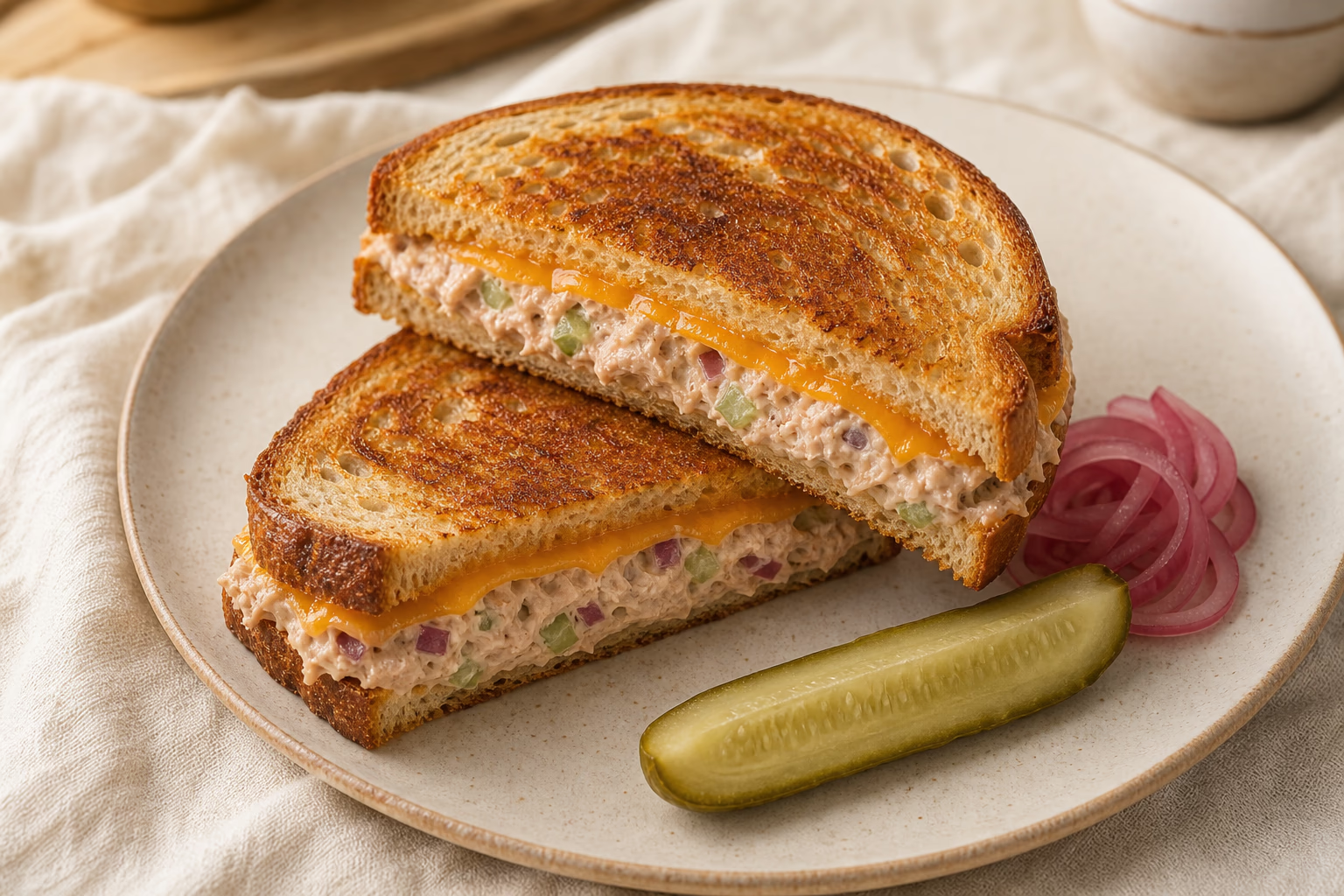
Well-drained tuna, a restrained creamy dressing, acid and crunch, melt-friendly cheese, and patient toasting keep the sandwich crisp outside, melty inside, and never wet in the middle.
Canned tuna
Drain it firmly. Wet tuna is the fastest road to a soggy melt.
Mayonnaise
Use enough to bind the tuna, not enough to make it loose. Save the second spoonful until after you taste.
Cheese
Cheddar is classic, but Swiss, provolone, pepper jack, or American all melt cleanly.
Bread
Choose bread with enough structure for heat: sourdough, rye, sturdy sandwich bread, or English muffins.
Start Here
The tuna melt that does not go soggy
A tuna melt recipe sounds simple until the bread gives up. Then you are holding a warm tuna situation with cheese on it, and everyone at the table has to pretend this was the plan.
This is the version I want on a weekday: canned tuna salad that tastes bright before it ever meets the skillet, cheese that melts without drama, and bread that gets crisp enough to hold its nerve. It is cozy pantry lunch food, but it still needs a little discipline.
My strongest tuna melt opinion is this: the tuna salad has to be sturdy before the cheese goes on. If the filling is wet, the skillet cannot save it. Drain the tuna hard, keep the mayo modest, and let acid and crunch do their job.
Press the tuna until it is not carrying extra liquid.
Make a bright tuna salad with crunch and acid.
Layer bread, cheese, tuna, and optional extras.
Cook patiently until crisp outside and melty inside.
Ingredients
What you need
A tuna melt is not the time for a loose, spoonable tuna salad. I want the filling creamy enough to hold together, sharp enough to cut through the cheese, and dry enough that the bread still has a fighting chance. Cheddar is the classic in my kitchen, but Swiss, provolone, pepper jack, and American all understand the assignment.
Canned tuna
Drain it firmly. Press out the water or oil before mixing. Wet tuna is my sworn enemy in a melt.
Mayonnaise
Start modestly. You can add more, but you cannot easily take it back once the filling turns loose.
Cheese
Use a good melter. Cheddar, Swiss, provolone, pepper jack, and American are all practical choices.
Bread
Give the sandwich structure. Sourdough, rye, sturdy sandwich bread, or English muffins work better than very soft bread.
- 2 (5-ounce) cans tuna, drained very well
- 1/3 cup finely diced celery
- 2 tablespoons finely chopped red onion or 2 thinly sliced scallions
- 2 tablespoons finely chopped dill pickles or dill pickle relish
- 1/4 cup mayonnaise, plus more only if needed
- 1 teaspoon Dijon mustard or yellow mustard
- 1 teaspoon fresh lemon juice or pickle brine, plus more to taste
- 1 tablespoon chopped parsley, dill, or chives, optional
- 1/8 teaspoon fine salt, plus more to taste
- 1/4 teaspoon black pepper
- 8 slices sourdough, rye, or sturdy sandwich bread
- 4 to 8 slices cheddar, Swiss, provolone, pepper jack, or American cheese
- 2 tablespoons softened butter or mayonnaise, for the outside of the bread
- Optional: thin tomato slices, patted dry, or pickled red onions
Method
How to make a tuna melt
- Drain the tuna very well. Use the can lid to press out liquid, or tip the tuna into a fine-mesh strainer and press gently. This is the small unglamorous step that saves the sandwich.
- Mix the tuna salad. Add the tuna to a bowl and flake it with a fork. Stir in celery, red onion or scallions, pickles, mayonnaise, mustard, lemon juice or pickle brine, herbs if using, salt, and pepper.
- Check the texture. The tuna salad should hold together in soft clumps. If it tastes flat, add lemon, pickle brine, mustard, pepper, or herbs. If it is dry, add mayonnaise 1 teaspoon at a time.
- Build the sandwiches. Lay out the bread. Add cheese to 4 slices, then divide the tuna salad over the cheese. Add tomato or pickled onions if using. Add another slice of cheese on top if you want a very melty sandwich.
- Close and coat. Top with the remaining bread. Spread the outsides lightly with softened butter or mayonnaise.
- Toast patiently. Heat a large skillet over medium-low to medium heat. Add the sandwiches and cook for 3 to 4 minutes, covered if the cheese needs help melting.
- Flip and finish. Turn the sandwiches carefully and cook for 2 to 4 minutes more, until the bread is crisp and deeply golden and the cheese is melted.
- Rest, then slice. Give the sandwiches 1 minute before cutting. The filling settles, the cheese stops running, and lunch behaves better.
Why It Works
The anti-soggy tuna melt trick
The tuna melt has two jobs that argue with each other. The outside should be crisp, but the inside should be warm and melty. The easiest way to make both happen is to remove extra moisture before the sandwich ever reaches the pan.
That means well-drained tuna, a creamy but not loose dressing, and add-ins that bring crunch instead of water. Celery, pickles, mustard, lemon, herbs, and black pepper keep the sandwich from turning into a heavy beige block. Cheese makes it cozy. Acid makes you want the next bite.
Build It
Best cheese and bread for a tuna melt sandwich
Cheddar is the familiar move, and I love it here. But the best cheese is the one that melts before the bread burns. Swiss is nutty and calm, provolone is gentle, pepper jack adds heat, and American melts like it has one purpose in life.
For bread, choose structure. Sourdough and rye make a sturdier tuna melt sandwich. Sturdy sandwich bread works if you cook it patiently. English muffins are excellent for an open-faced tuna melt because they toast well and do not ask to be flipped.
| Ingredient | Best Choice | Why It Works |
|---|---|---|
| Classic cheese | Sharp cheddar | Melty, flavorful, and strong enough for tuna. |
| Mild cheese | Swiss or provolone | Melts cleanly and keeps the sandwich softer. |
| Extra melty cheese | American | Very smooth melt, especially with a closed sandwich. |
| Sturdy bread | Sourdough or rye | Holds filling and browns well in the skillet. |
| Open-faced base | English muffin or thick toast | Toasts crisp and broils neatly. |
Option
Open faced tuna melt
An open faced tuna melt is the calmer option when you do not want to flip anything. Toast the bread or English muffin first, spoon on the tuna salad, cover with cheese, and broil just until the cheese melts and bubbles in spots.
Keep the pan close to the broiler and watch it. Broilers have the personality of a light switch: nothing, nothing, too much. I say this with respect and one or two very memorable slices of toast behind me.
- Toast the base. Use bread, rye, sourdough, or English muffins and toast until firm.
- Add tuna. Spoon on a moderate layer of tuna salad, not a mountain.
- Add cheese. Cover with cheddar, Swiss, provolone, pepper jack, or American.
- Broil briefly. Broil until the cheese melts and the edges are golden, usually 1 to 3 minutes depending on your broiler.
Fix The Sandwich
If your tuna melt goes wrong
| Problem | Likely Cause | Fix |
|---|---|---|
| Soggy center | Tuna was wet or the filling had too much mayo. | Drain tuna harder next time and add mayonnaise gradually. |
| Burned bread, cold cheese | Heat was too high. | Use medium-low heat and cover the skillet for part of cooking. |
| Filling slides out | The sandwich is overfilled or too loose. | Use less tuna salad per sandwich and keep the filling clumpy, not saucy. |
| Tastes heavy | Needs acid and crunch. | Add lemon, mustard, pickle brine, celery, scallions, or pickled onions. |
| Cheese will not melt | Cheese is too thick or heat is too fast. | Use thinner slices, grated cheese, a lid, or the open-faced broiler method. |
Serve It
What to serve with tuna melts
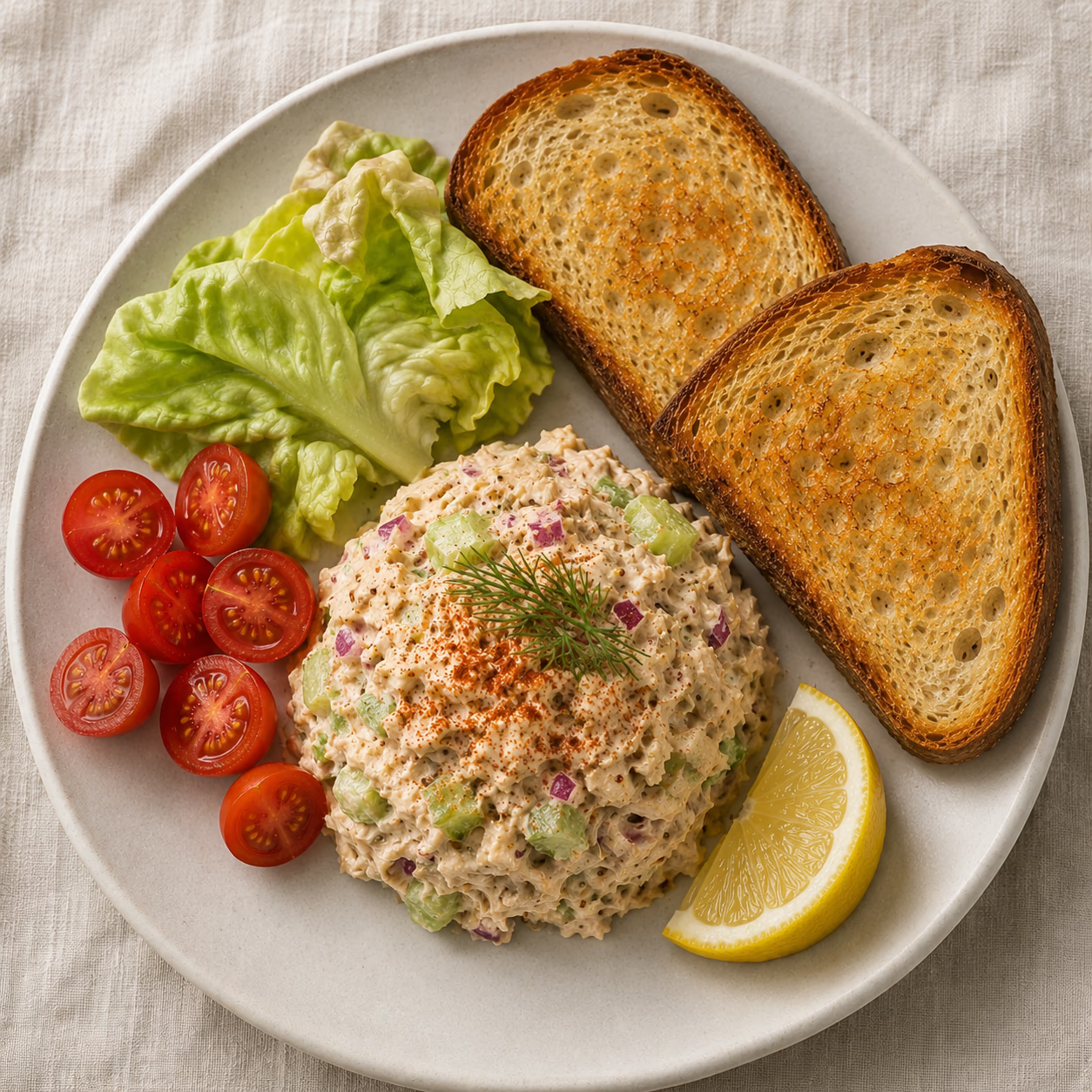
A tuna melt is rich, salty, crisp, and creamy, so I like something cold and sharp next to it. Pickles are the obvious answer, but pickled red onions, vinegar coleslaw, and cucumber salad all do the same useful work.
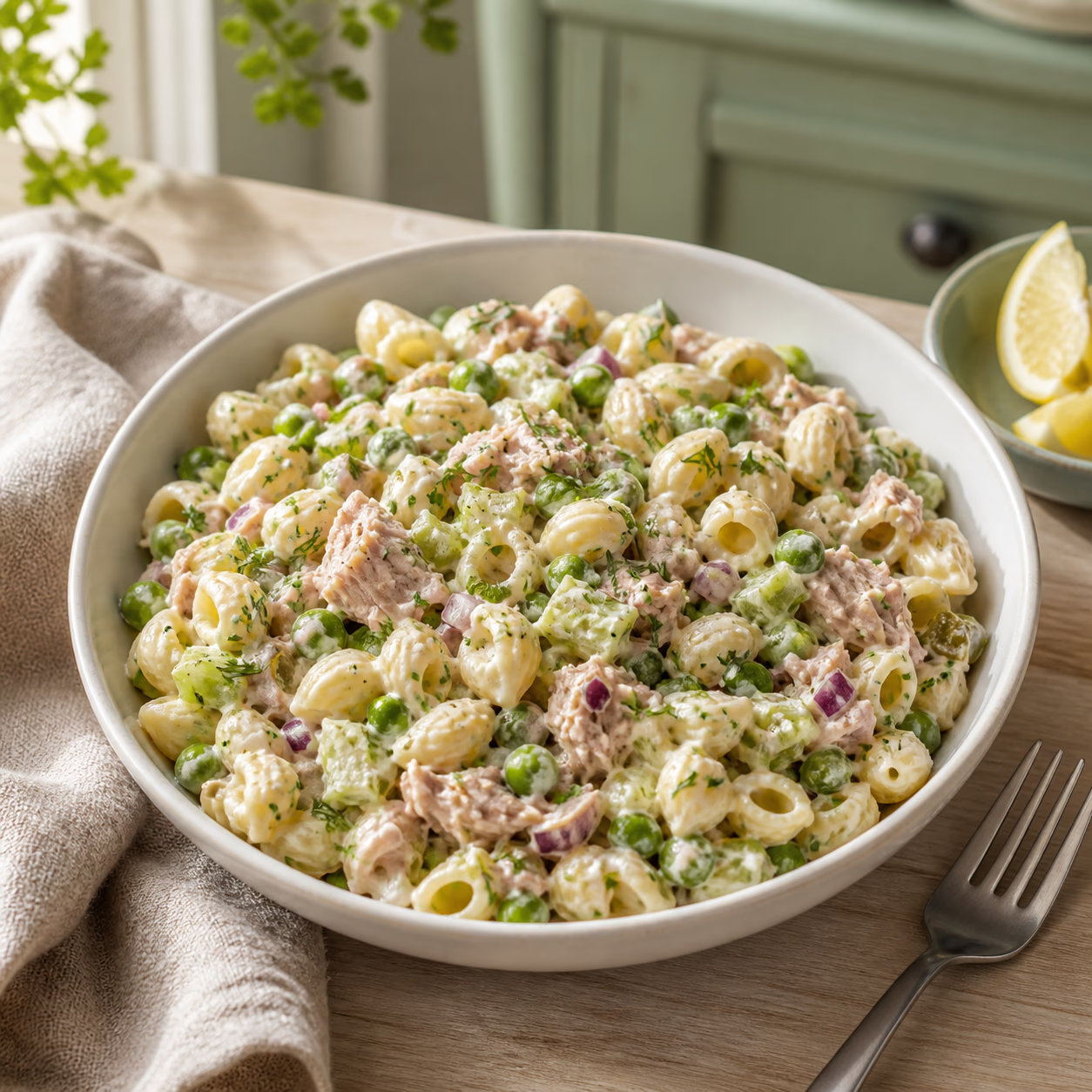
If lunch needs to be bigger, add chips, tomato soup, a green salad, or a little three bean salad. If you already made classic tuna salad, this is the next-day move I like best.
Storage
Make-ahead and storage notes
The tuna salad mixture can be made ahead and kept covered in the refrigerator at 40 F or below for 3 to 4 days. The sandwich itself is best cooked right before eating, because crisp bread does not improve in the fridge.
Do not leave the tuna salad mixture or finished tuna melts out for more than 2 hours, or more than 1 hour when the temperature is above 90 F. If you are packing lunch, keep the tuna salad cold and toast the bread separately if you can.
Make It Easier
What to read next
If you want the cold version first, make tuna salad for sandwiches and lunch plates. For the bright things that make a melt taste less heavy, add pickled red onions, vinegar coleslaw, or cucumber salad.
For food timing and leftovers, use safe meal prep for home cooks. For more pantry protein ideas, open the pantry protein dinner map.
FAQ
Tuna melt recipe questions
What is a tuna melt?
A tuna melt is a tuna salad sandwich with melted cheese, usually toasted in a skillet or broiled open-faced. Think tuna salad plus grilled cheese logic.
How do you keep a tuna melt from getting soggy?
Drain the tuna very well, use mayonnaise gradually, keep watery add-ins modest, and toast the bread patiently. If using tomato, pat it dry and use thin slices.
What cheese is best for tuna melts?
Cheddar is classic. Swiss, provolone, pepper jack, and American also work because they melt cleanly and taste good with tuna.
Can I make a tuna melt in the oven?
Yes. For an open-faced tuna melt, toast the bread first, add tuna salad and cheese, then broil briefly until the cheese melts. Watch closely because broilers move fast.
Can I use leftover tuna salad?
Yes, if it was stored safely and still within its refrigerator window. If the tuna salad is loose, add a little more drained tuna, celery, or chopped pickles before building the sandwich.
Is this tuna melt halal?
The base recipe can be halal-suitable because it uses tuna and no pork or alcohol. Check tuna, cheese, bread, mayonnaise, mustard, pickles, and packaged add-ins if your household needs halal certification, allergen details, or cross-contact information.
Kitchen Note
About nutrition, labels, and tuna choices
Nutrition information is not listed because tuna brand, water-packed versus oil-packed tuna, mayonnaise, cheese, bread, butter, add-ins, and serving size can change the numbers. If you need exact nutrition details, calculate them with the ingredients and amounts you use.
The Quick Meals, Pantry, and Halal badges apply to the required recipe. Check packaged ingredients if halal certification, allergens, alcohol, gelatin, cross-contact, sodium, or other label details matter in your kitchen.
If tuna is a frequent meal in your household, especially for children, pregnancy, or breastfeeding, check current FDA fish advice for tuna type and serving frequency. In everyday kitchen terms: canned light tuna is generally a lower-mercury choice than albacore or larger tuna species.