
Start Here
Check the pantry before the grocery list gets louder
A pantry inventory does not have to mean a spreadsheet, an app, or a full cabinet cleanout. For weeknight cooking, it can be a 10-minute shelf check that answers three questions: what do I have, what needs using, and what dinner can it become?
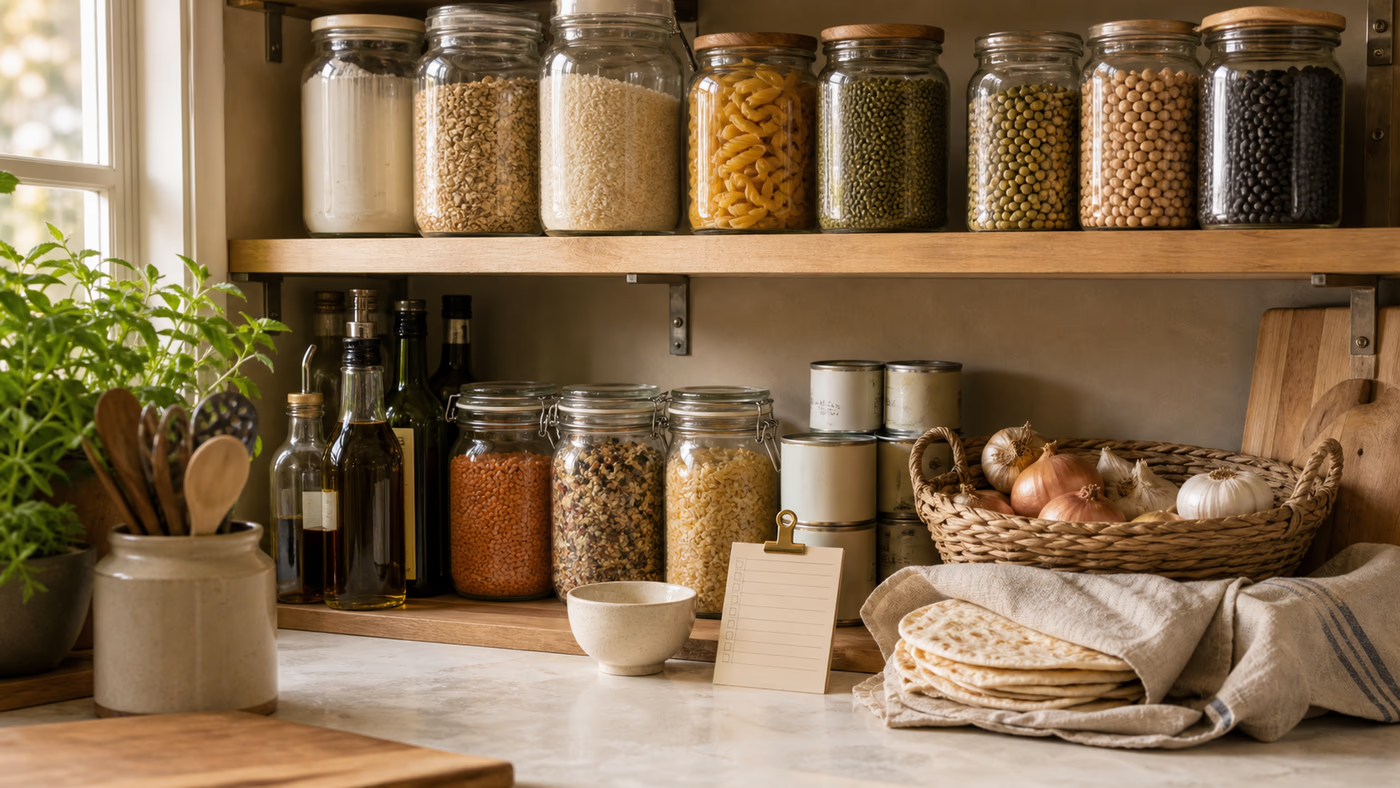
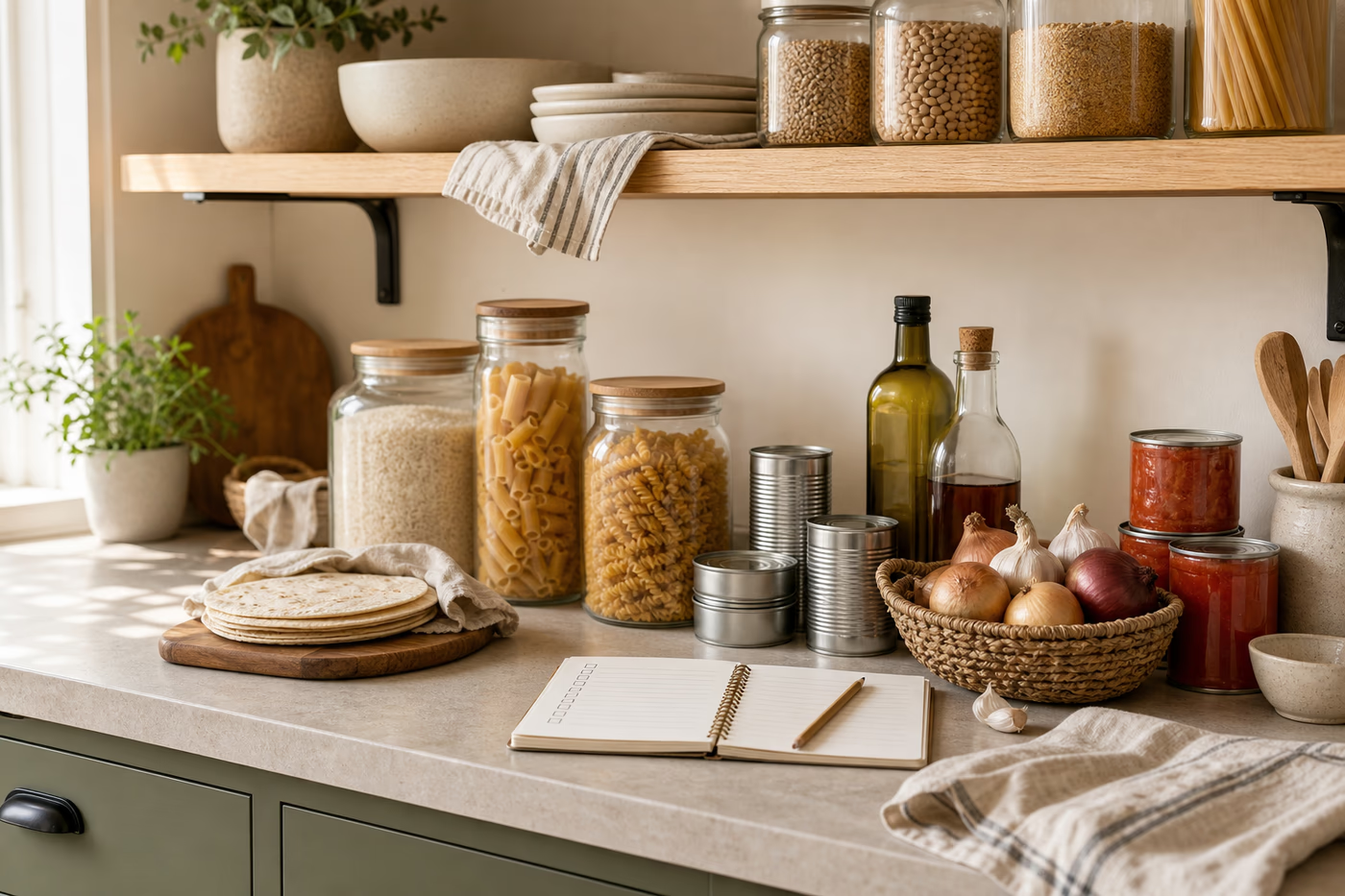
This is the move I like before a grocery trip, especially when the shelf looks full but dinner still feels vague. A jar of rice, one can of beans, half a box of pasta, tomato paste, tortillas, and a few onions are not random groceries. They are the start of several dinners if you can see them together.
The goal is not to count every ounce. The goal is to stop buying around food that is already waiting.
Definition
What is a pantry inventory?
A pantry inventory is a short list of the food you can cook from soon. For The Hearth Table, it is organized by dinner job: bases, protein helpers, vegetable or body builders, sauces, and finishes.
That makes it different from a pantry staples list. A staples list helps you decide what belongs in the pantry. A pantry inventory helps you decide what to use next.
It is also different from the freezer inventory sheet. The freezer list remembers food that is easy to forget. The pantry inventory is more immediate: it turns the visible shelf into one meal plan before you shop again.
The Scan
The 10-minute pantry inventory
Choose one shelf, one cabinet, or one basket. Do not start with the whole kitchen. A useful inventory begins small enough that you will actually finish it.
- Choose the shelf that feeds dinner. Start with pasta, rice, beans, canned tomatoes, broth, oils, vinegars, spices, tortillas, or other food you cook from often.
- Pull use-first food forward. Move open boxes, half-used bags, older cans, and almost-empty jars where you can see them.
- Group by dinner job. Make rough piles: base, protein helper, vegetable/body, sauce/body, and finish.
- Write only what helps dinner. Note the item, amount, use-first clue, dinner job, and one meal idea.
- Check condition. Look for damp packages, stale smells, leaking jars, badly dented cans, bulging cans, heavy rust, or anything that makes you pause.
- Pick one dinner. Before adding groceries to the list, choose one meal from what is already there.
- Add one gap. Write the missing helper only: lemons, greens, yogurt, bread, tortillas, herbs, eggs, or another small bridge.
Template
A pantry inventory list simple enough to use
Use this table as a pantry inventory template. It is deliberately smaller than a full household inventory because dinner is the point.
| Item | Amount | Use-First Note | Dinner Job | Can Become |
|---|---|---|---|---|
| Pasta | 1/2 box | Open package | Base | Pantry pasta with beans, tomatoes, or tuna |
| Rice | 2 cups dry | Good stock | Base | Fried rice, burrito bowls, soup filler |
| Black beans | 2 cans | Use one this week | Protein helper | Burrito bowl, tacos, bean skillet |
| Canned tomatoes | 1 can | Last can | Vegetable/body | Soup, shakshuka, pasta sauce |
| Broth or bouillon | Enough for one pot | Check opened carton | Sauce/body | Soup, saucy rice, skillet beans |
| Vinegar or lemon | Available | Use to finish | Bright finish | Better beans, salad, slaw, bowls |
Dinner Jobs
Sort pantry food by what it does
Pantry inventory gets easier when every ingredient has a job. This keeps the shelf from turning into a long list of cans and boxes with no plan attached.
Bases
Pasta, rice, noodles, couscous, tortillas, bread, oats, and potatoes give dinner somewhere to land. If you have too many open bases, choose one before shopping.
Protein Helpers
Beans, lentils, canned fish, eggs, tofu, yogurt, nuts, seeds, and cheese help pantry food feel like a meal. The pantry protein dinner map is useful when this column looks thin.
Vegetable Or Body
Canned tomatoes, jarred peppers, onions, garlic, cabbage, carrots, frozen peas, frozen spinach, and frozen broccoli keep pantry dinners from feeling flat or beige.
Sauce Or Body
Broth, bouillon, tomato paste, coconut milk, tahini, peanut butter, yogurt, mayonnaise, and pasta water pull scattered ingredients together.
Bright Finish
Vinegar, lemon, lime, mustard, pickles, olives, capers, hot sauce, and salsa wake up beans, rice, pasta, and soup.
Crunch
Breadcrumbs, crackers, nuts, seeds, fried onions, crushed chips, and pickled onions make soft pantry dinners feel finished instead of merely assembled.
Use First
What should move to the front?
The most useful pantry inventory is not the prettiest one. It is the one that tells you what food deserves attention before it gets stale, hidden, or bought twice.
| What You Find | Best Move | Dinner Direction |
|---|---|---|
| Open pasta, rice, or grains | Plan it this week | Pantry pasta, fried rice, soup, or grain bowls |
| One last can of tomatoes | Match it with a base and protein | Soup, shakshuka, skillet beans, or pasta sauce |
| Several cans of beans | Choose one bean dinner | Burrito bowls, tacos, soup, toast, or bean salad |
| Duplicate jars or sauces | Put the older one in front | Use as marinade, dressing, bowl sauce, or soup finish |
| Questionable cans or damp packages | Do not build dinner around them | Discard if leaking, bulging, badly dented, badly rusted, or foul-smelling |
Dinner Decision
End the pantry check with one dinner sentence
A pantry inventory should end with a sentence you can cook from. Keep it ordinary. Dinner does not need a grand title before it can be useful.
- Pasta + chickpeas + tomato paste + garlic + crumbs: a quick pantry pasta with body and crunch.
- Rice + black beans + salsa + cabbage + lime: a bowl or taco night with one fresh gap.
- Lentils + broth + canned tomatoes + frozen spinach: a soup that can feed tonight and the freezer.
- Bread + tuna + pickles + mustard + cheese: tuna melts or toast plates.
- Rice + eggs + frozen peas + soy sauce: fried rice if the rice was stored safely.
If the pantry gives you the base and protein but not the fresh edge, that is the grocery gap. Add greens, lemons, yogurt, herbs, tortillas, or bread. Do not rewrite the whole week.
Storage
Pantry safety checks worth keeping
Store shelf-stable food in a clean, cool, dry place. Avoid damp storage, the cabinet above the stove, under-sink storage, or a garage with big temperature swings. Heat and moisture are pantry trouble before dinner even starts.
Do not use cans that are leaking, bulging, badly dented, badly rusted, spurting liquid, or foul-smelling. If a package is damp, torn, insect-damaged, stale-smelling, or suspicious, let it go. The pantry inventory is there to make dinner easier, not to turn dinner into a negotiation.
Many “best if used by” dates on shelf-stable foods are about quality, not an automatic safety deadline. Still, quality matters. If pasta smells stale, oil tastes rancid, spices have gone dusty and dull, or crackers have lost their texture, dinner will know.
After opening canned food, move leftovers to a covered container and refrigerate them. Keep the refrigerator at 40 F or below, the freezer at 0 F or below, and refrigerate perishable foods within 2 hours, or within 1 hour when the room is above 90 F. For item-specific storage timing, use the FoodKeeper app, USDA shelf-stable food safety guidance, and FDA food storage guidance.
Routine
When to update the pantry inventory
Update the pantry inventory before shopping, after a bigger grocery trip, or when dinner keeps feeling harder than it should. I would rather do five honest minutes every week than one perfect hour every season.
- Before shopping: choose one dinner from the shelf before adding more food.
- After shopping: put new items behind older ones so the shelf keeps moving.
- Before a busy week: find one base, one protein helper, one vegetable, and one finish.
- When the shelf feels crowded: cook from open packages before buying more versions of the same thing.
If the pantry check turns up freezer helpers, use the freezer inventory sheet. If it turns up cooked food in the fridge, start with the leftover landing zone.
FAQ
Pantry inventory questions
What should be on a pantry inventory?
A useful pantry inventory should include the item, amount, use-first note, dinner job, and one possible meal. For weeknight cooking, that is usually more useful than tracking exact ounces or every backup package.
How often should I update a pantry inventory?
Once a week is enough for most homes. Update it before grocery shopping, after a larger restock, or whenever you keep buying ingredients you already had.
Is a pantry inventory the same as a pantry staples list?
No. A pantry staples list helps you decide what to keep on hand. A pantry inventory helps you use what is already there. Use the pantry staples guide when you are building the shelf, and this inventory when you are cooking from it.
Do I need a pantry inventory app?
Not for this version. A notebook, a phone note, or a small paper list can work. The best pantry inventory is the one you update while standing at the shelf.
What is the easiest pantry inventory template?
Use five columns: item, amount, use-first note, dinner job, and can become. That keeps the list tied to actual meals instead of becoming a storage catalog.
What should I throw away during a pantry inventory?
Discard food from leaking, bulging, badly dented, badly rusted, spurting, or foul-smelling cans. Also discard packages that are damp, insect-damaged, torn open, stale-smelling, rancid, or otherwise questionable.