Start Here
A pantry should help dinner, not become a tiny grocery store
Pantry staples are the ingredients that make dinner easier when the plan gets thin: pasta, rice, beans, canned tomatoes, broth, oil, vinegar, eggs, frozen vegetables, and the small flavor helpers that keep everything from tasting like a backup plan.
I do not think a good pantry is the biggest pantry. The best one is the shelf you can actually cook from on a tired night, with enough familiar ingredients to make a bowl, soup, pasta, skillet, toast, or taco without starting over at the store.
So this pantry staples list is organized by dinner job, not by how pretty it looks in jars. Start with one base, one protein helper, one vegetable, one sauce or body builder, and one bright or crunchy finish. That is usually enough to turn ordinary pantry ingredients into food.
Definition
What are pantry staples?
Pantry staples are the dependable ingredients you keep on hand because they help you cook without a full grocery trip. Some are shelf-stable, like rice, pasta, lentils, canned beans, canned tomatoes, oils, vinegars, and spices. Some live nearby in the freezer or fridge, like frozen vegetables, eggs, yogurt, cheese, tortillas, bread, lemons, cabbage, carrots, and onions.
That pantry-plus-freezer-plus-fridge definition matters. Real weeknight cooking often starts with a dry shelf item, but dinner gets easier when you also have one cold helper: frozen peas for rice, eggs for shakshuka, yogurt for sauce, or tortillas for beans.
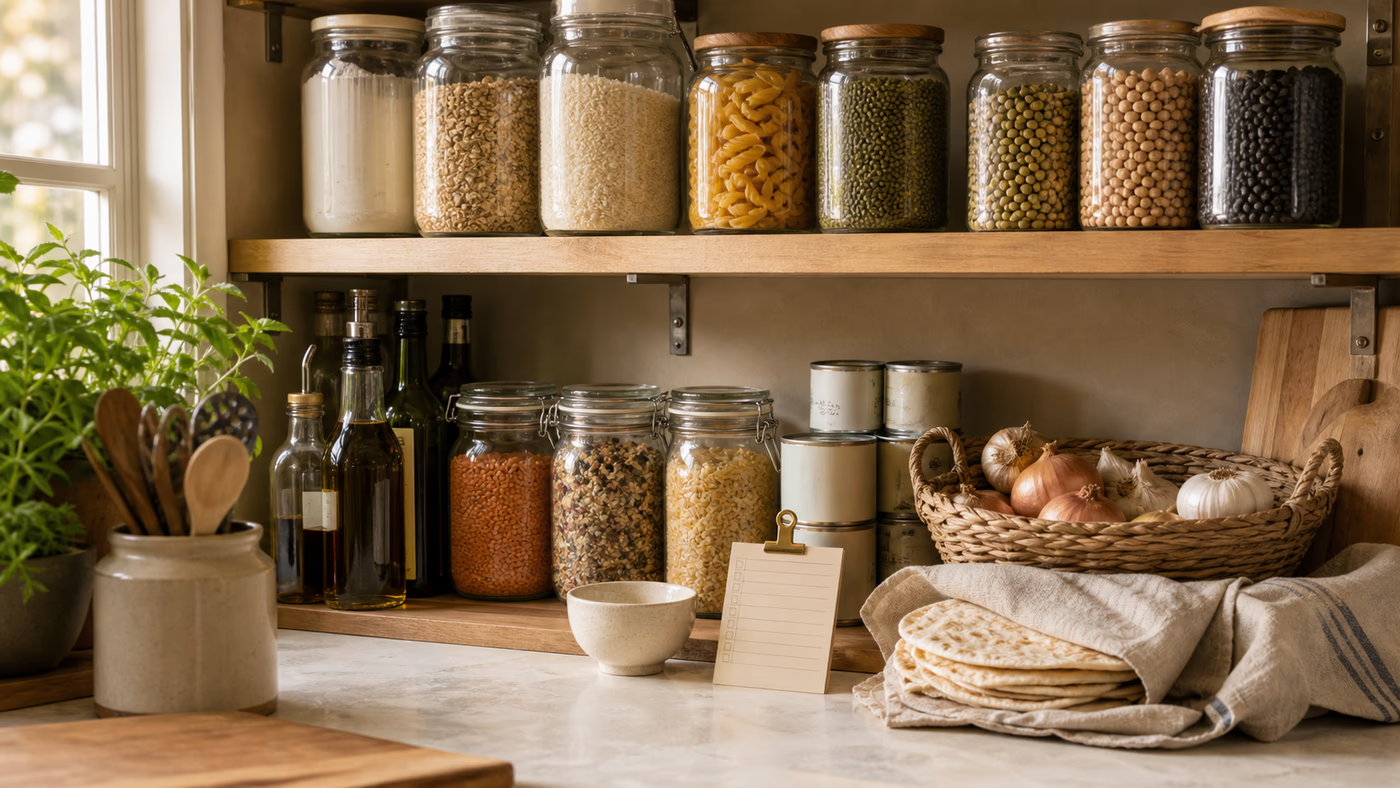
My pantry shelf is less about preparedness as a personality and more about fewer 5 p.m. negotiations. If I can see rice, pasta, lentils, canned tomatoes, tuna, vinegar, olive oil, and one basket of onions or garlic, I know dinner has at least three ways forward.
Checklist
The pantry staples list
Use this as a practical pantry staples list, not a commandment. Choose the ingredients that match how you cook. A pasta household needs different back-pocket ingredients than a rice-bowl household, and that is not a problem.
| Dinner Job | Good Staples To Keep | What They Help You Make |
|---|---|---|
| Base | Pasta, rice, noodles, couscous, oats, potatoes, tortillas, bread | Pasta bowls, fried rice, soup, grain bowls, tacos, toast dinners |
| Protein helper | Beans, lentils, canned tuna or salmon, eggs, tofu, yogurt, cheese, nuts, seeds | Bowls, soup, tuna salad, tuna melts, shakshuka, bean tacos, lentil dinners |
| Vegetable/body | Canned tomatoes, frozen peas, frozen spinach, frozen broccoli, cabbage, carrots, onions, jarred peppers | Skillets, soup, pasta sauce, rice bowls, tacos, stir-fries |
| Sauce/body | Broth, bouillon, tomato paste, coconut milk, tahini, peanut butter, yogurt, mayonnaise, pasta water | Saucy pasta, curry-ish bowls, creamy salads, soup, noodle bowls |
| Flavor builders | Olive oil, neutral oil, vinegar, lemon or lime, mustard, soy sauce, hot sauce, spices, olives, capers, pickles | Vinaigrettes, marinades, quick sauces, brighter beans, better bowls |
| Finish | Breadcrumbs, crackers, nuts, seeds, herbs, scallions, fried onions, crushed chips, pickled onions | Crunch, freshness, and the feeling that dinner was intentional |
Dinner Jobs
Pantry essentials by dinner job
Bases
Keep two or three bases you genuinely use. Pasta, rice, tortillas, bread, potatoes, and noodles all do the same emotional work: they give dinner somewhere to land.
If you are starting from nothing, I would choose pasta, rice, and tortillas first. They cover pantry pasta, fried rice, burrito bowls, soup sides, toast plates, and quick tacos without asking for much.
Protein Helpers
Beans, lentils, eggs, canned fish, tofu, yogurt, nuts, seeds, and cheese help a meal feel complete. They are helpers, not the whole personality of dinner.
For a small pantry, start with two cans of beans, one lentil, and one fast protein your household already likes. Canned tuna is useful if you make lunch plates or melts. Eggs are useful if skillet dinners happen often.
Vegetables
Frozen vegetables count. So do canned tomatoes, cabbage, carrots, onions, and jarred peppers. I like frozen peas and spinach because they disappear neatly into rice, pasta, soup, and eggs.
The small enemy here is the pantry dinner with no color or texture. One vegetable, even a frozen one, keeps the plate from feeling like beige homework.
Sauces And Body
Broth, tomato paste, coconut milk, tahini, peanut butter, yogurt, mayonnaise, and pasta water are the difference between scattered ingredients and dinner with a point.
If the pan looks dry, do not keep stirring hopefully. Add liquid, fat, acid, or a small sauce. Dinner often needs cohesion more than it needs another ingredient.
Acid, Salt, And Heat
Vinegar, lemon, lime, mustard, pickles, soy sauce, hot sauce, olives, capers, and spices are small pantry essentials with a large effect.
If beans, rice, soup, or bowls taste flat, I check acid before I add more salt. A splash of vinegar or squeeze of lemon can make the whole thing wake up.
Crunch And Finish
Keep one or two finishers: toasted breadcrumbs, nuts, seeds, crackers, herbs, scallions, fried onions, crushed chips, or pickled red onions.
This is the part I do not skip when dinner is soft. A little crunch makes pantry meals feel less like you surrendered to the shelf.
Formula
How to turn pantry staples into dinner
The simplest pantry dinner formula is this:
That formula is why the same shelf can become pasta, soup, tacos, bowls, toast, or fried rice. You are not memorizing one recipe. You are checking which dinner job is missing.
| If You Have | Add | Dinner Direction |
|---|---|---|
| Pasta + canned tomatoes | Beans or tuna, olive oil, garlic, herbs, breadcrumbs | A pantry pasta that has body and finish |
| Rice + eggs | Frozen peas, soy sauce, scallions, sesame seeds | Easy fried rice from safely stored rice |
| Black beans + tortillas | Cabbage, salsa, lime, yogurt, pickled onions | Tacos, tostadas, or a simple bean skillet |
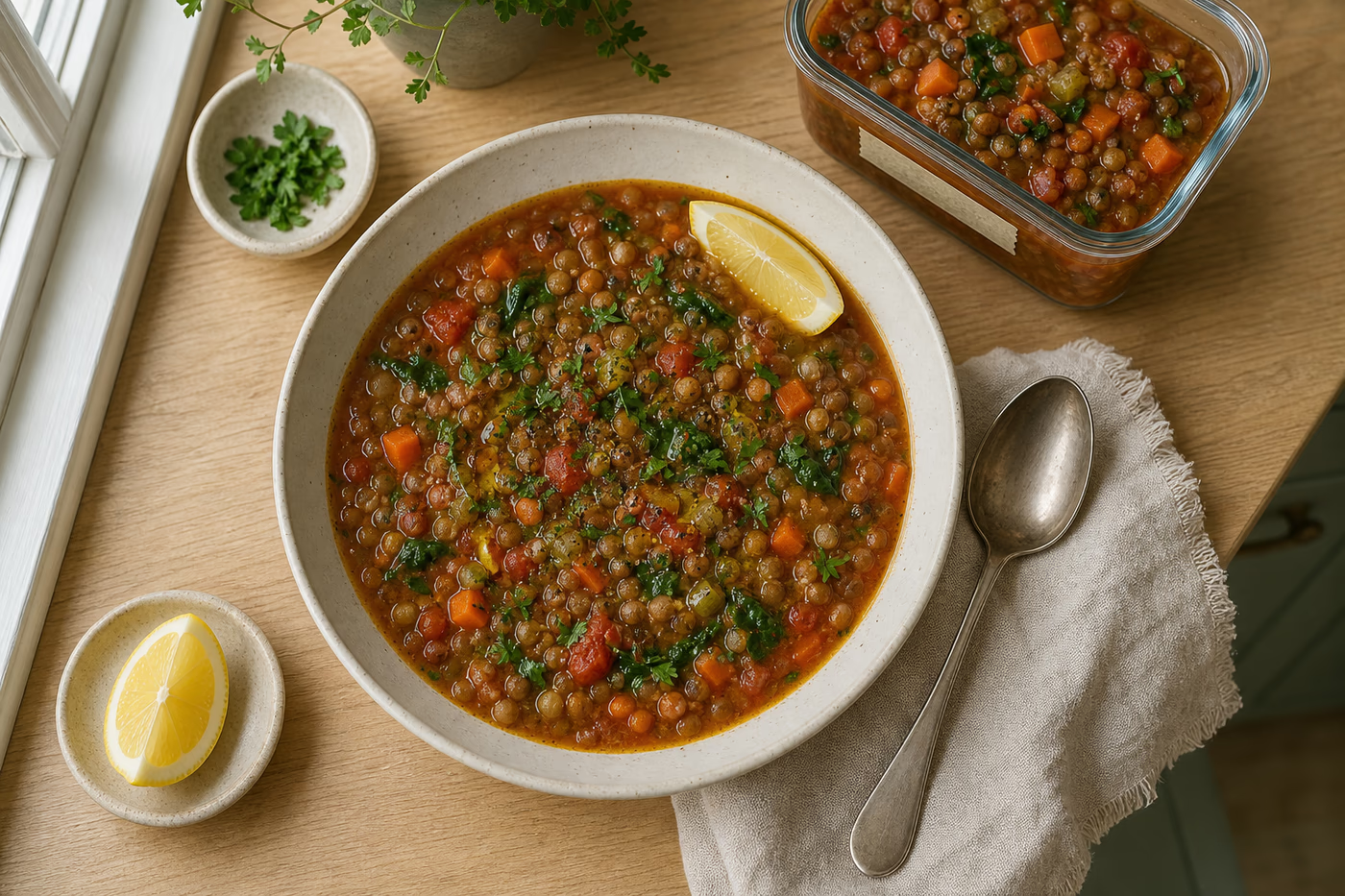
| Lentils + broth | Canned tomatoes, carrots, onions, spinach, vinegar | Pantry lentil soup that can feed tonight and later |
| Canned tuna + bread | Celery, pickles, mustard, lemon, cheese | Tuna salad or a crisp tuna melt |
| Eggs + canned tomatoes | Onion, garlic, spices, bread | A small skillet shakshuka |
| Rice + beans + corn | Salsa, lime cabbage, guacamole, taco seasoning | An easy pantry burrito bowl |
| Tortillas + black beans + cheese | Corn, salsa, lime, taco seasoning, pickled onions | A crisp black bean quesadilla |
| Any cooked grain | Vegetables, protein helper, sauce, crunch | A flexible grain bowl |
Boundaries
What not to buy yet
A pantry can get crowded fast when every helpful article makes every ingredient sound essential. I am not against specialty ingredients. I am against buying three jars for a version of yourself who cooks differently than you do on a normal Wednesday.
- Skip the full cuisine shelf at first. Build flavor shelves around meals you already repeat.
- Do not buy bulk grains you have never cooked. Try a small amount first. Pantry waste is still waste, even if it was a bargain.
- Do not keep five vinegars if one sits untouched. One everyday vinegar plus lemon or lime can carry a lot of dinners.
- Do not stock every canned bean. Keep the beans that match your bowls, soups, tacos, salads, and pasta.
- Do not let oils live near heat. Store them away from the stove so they stay pleasant longer.
Start smaller than you think. A useful pantry grows from repeated dinners, not from one heroic shopping trip.
Starter Shelf
A small starter pantry for weeknight dinners
If your pantry is starting from chaos, make one shelf do the heavy lifting. This is the starter shelf I would build first because it gives you pasta, soup, bowls, tacos, toast, and quick lunches.
Dry Shelf
- Pasta or noodles
- Rice or couscous
- Lentils
- Two kinds of canned beans
- Canned tomatoes
- Canned tuna, salmon, or sardines if you eat them
- Broth, bouillon, or stock concentrate
Flavor Shelf
- Olive oil
- Neutral oil
- One everyday vinegar
- Mustard
- Soy sauce or another salty-umami helper
- Hot sauce or chile flakes
- Garlic powder, cumin, paprika, oregano, black pepper, and salt
Long-Keeping Fridge
- Eggs
- Yogurt or cheese
- Tortillas or sturdy bread
- Lemons or limes
- Cabbage, carrots, onions, or celery
Freezer Helpers
- Frozen peas
- Frozen spinach or broccoli
- Bread or tortillas
- Cooked beans, grains, soup, or sauce portions if you have them
Storage
How to store and rotate pantry staples
Pantry organization is not only about matching jars. It is about keeping food visible, dry, cool, and moving. Store shelf-stable foods in a clean, cool, dry place, away from heat and damp areas. Avoid the cabinet right above the stove, the space under the sink, or a garage that swings hot and cold.
Check cans before you put them away and before you open them. Skip cans that are leaking, bulging, badly rusted, badly dented, spurting liquid, or foul-smelling. A bargain can is not a bargain if it looks questionable.
After you open canned food, move leftovers to a covered container and refrigerate them. For anything perishable, keep the refrigerator at 40 F or below, the freezer at 0 F or below, and refrigerate food within 2 hours, or within 1 hour if the room or outdoor temperature is above 90 F.
- Group by dinner job. Put bases together, beans and lentils together, cans together, oils and vinegars together, and finishers together.
- Keep the oldest food in front. Use the older pasta, rice, cans, and freezer portions first.
- Date opened packages when useful. A small piece of tape saves future guessing.
- Shop from the shelf before you shop from the store. Choose one pantry dinner before adding more groceries.
- Let the pantry stay honest. If nobody used an ingredient after several chances, it may not be one of your real staples.
For deeper storage rules, use the USDA shelf-stable food safety guide and FDA food storage guidance. For leftovers, cooling, freezing, and reheating, keep safe meal prep for home cooks nearby.
Routine
The five-minute pantry check
Once a week, before the grocery list gets dramatic, give the pantry five minutes. I do this standing in front of the shelf, not sitting down to design a whole meal plan. The point is to notice what dinner is already offering.
- Choose one base to use. Pasta, rice, tortillas, potatoes, or bread.
- Choose one protein helper. Beans, lentils, eggs, tofu, canned fish, yogurt, cheese, nuts, seeds, or leftovers.
- Choose one vegetable. Frozen vegetables, canned tomatoes, cabbage, carrots, onions, greens, or anything that needs using.
- Choose one finish. Vinegar, lemon, salsa, hot sauce, pickles, herbs, breadcrumbs, nuts, or seeds.
- Write one dinner sentence. “Rice, black beans, cabbage, salsa, lime.” That is enough of a plan.
If your freezer is part of the pantry system, build a small freezer backup box. If the fridge is where ingredients vanish, set up the leftover landing zone first. And if your pantry has oats, flour, sugar, and cinnamon, a simple apple crumble is already halfway possible.
FAQ
Pantry staples FAQ
What are the most important pantry staples?
The most important pantry staples are the ones that help you make actual meals: a base such as pasta or rice, a protein helper such as beans or eggs, a vegetable helper such as canned tomatoes or frozen vegetables, a sauce or body builder such as broth or yogurt, and a finish such as vinegar, lemon, herbs, nuts, seeds, or breadcrumbs.
What pantry essentials should every home cook keep?
Most home cooks benefit from pasta or rice, canned beans, lentils, canned tomatoes, oil, vinegar, salt, pepper, a few familiar spices, broth or bouillon, onions or garlic, frozen vegetables, and one fast protein such as eggs, tofu, canned fish, yogurt, or cheese.
Are frozen vegetables pantry staples?
For The Hearth Table, yes. Frozen vegetables are part of the pantry system because they help shelf-stable ingredients become dinner. Frozen peas, spinach, broccoli, corn, and mixed vegetables can turn rice, pasta, eggs, soup, and bowls into a fuller meal.
What pantry staples make easy dinners?
The easiest dinner builders are pasta, rice, beans, lentils, canned tomatoes, broth, eggs, frozen vegetables, tortillas, tuna, olive oil, vinegar, mustard, soy sauce, hot sauce, and a crunchy finish like breadcrumbs, nuts, seeds, or crackers.
How do I avoid wasting pantry food?
Buy smaller amounts until you know an ingredient fits your real cooking. Keep older items in front, date opened packages when helpful, plan one dinner from the shelf before each grocery trip, and stop restocking ingredients your household keeps avoiding.
Should I put everything in matching jars?
Only if it helps you cook. Clear jars can make rice, pasta, beans, oats, and lentils easier to see, but they are not the goal. The goal is a pantry that stays dry, visible, organized by dinner job, and easy to use on a normal night.