
Recipe Notes
Why this works
A quick soy-lime pan sauce seasons the salmon after the sear, warm rice catches the sauce, and cool cucumber plus a crunchy finish keep the bowl from tasting flat or dry.
Salmon
Use four 5- to 6-ounce fillets or one larger piece cut into portions. Pat it dry so it sears instead of steaming.
Rice
Warm cooked rice keeps this fast. If you are cooking rice from dry, start it before you prep the salmon.
Soy-lime sauce
Soy sauce or tamari, lime, rice vinegar, honey, ginger, and garlic make a quick skillet sauce without a marinade wait.
Cucumber and finish
Cool cucumber, scallions, sesame, nori, herbs, avocado, or edamame add the contrast that makes the bowl feel finished.
Start Here
The salmon bowl that tastes like a plan
A salmon rice bowl is what I make when rice is already helping and dinner still needs a main character. Warm rice, saucy cooked salmon, cool cucumber, a creamy drizzle, and something crunchy can turn into a real dinner without building six separate toppings.
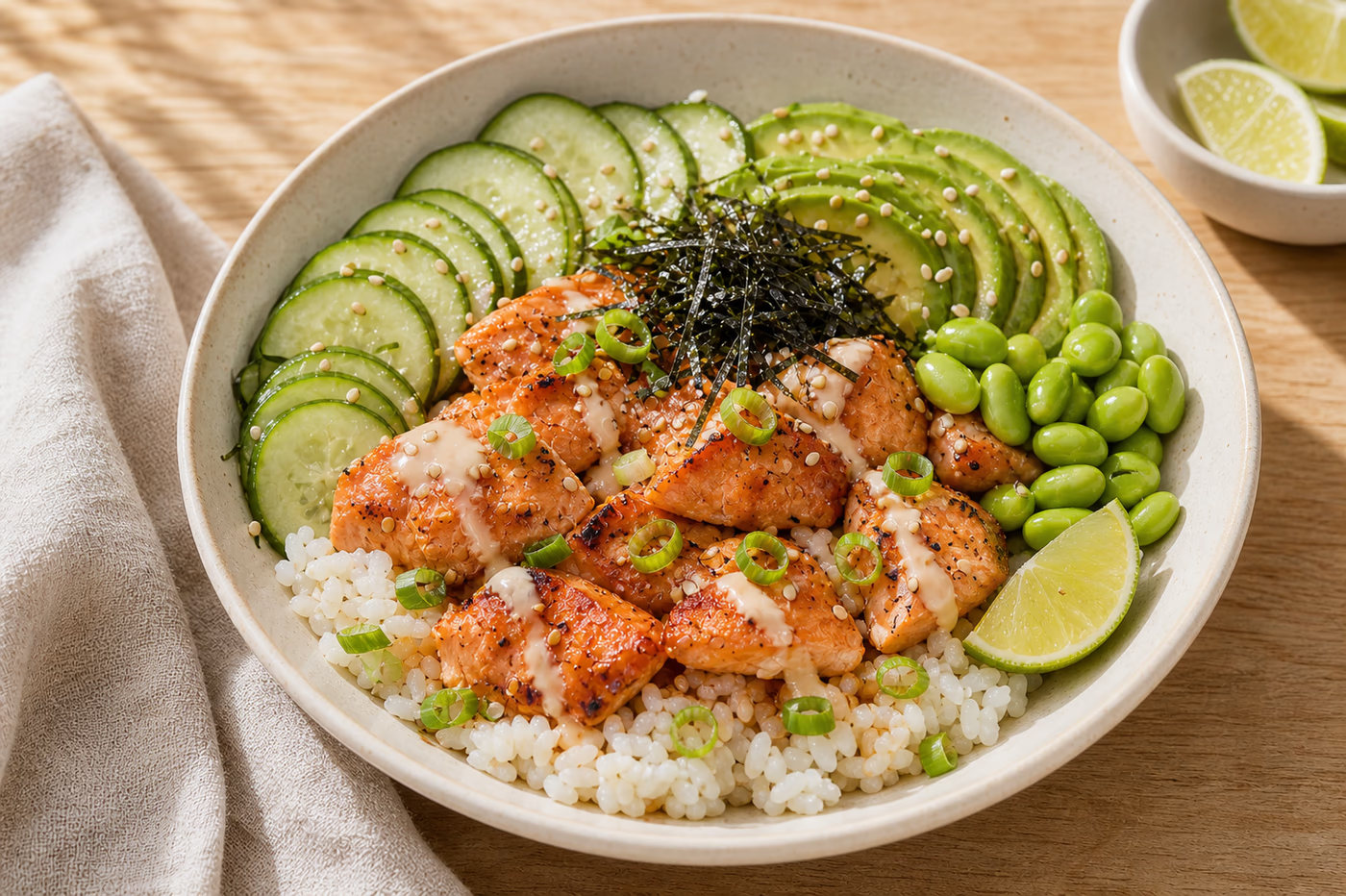
This version is cooked salmon, not poke and not a raw-fish sushi bowl. The salmon sears in a skillet, then finishes in a quick soy-lime sauce with ginger, garlic, honey, and rice vinegar. The rice catches the sauce. The cucumber wakes everything up. The sesame, scallions, nori, avocado, or edamame can join if you have them.
My small bowl opinion: a rice bowl without sauce and crunch is just leftovers arranged vertically. You do not need every topping in the drawer, but you do need contrast.
Mix soy, lime, vinegar, honey, ginger, and garlic.
Slice cucumber and set out bowl toppings.
Sear salmon, then spoon sauce over it.
Layer rice, salmon, cucumber, drizzle, and finish.
Ingredients
What you need
The ingredient list looks longer than the work feels because the sauce and toppings do clear jobs. The sauce seasons the salmon and rice. The cucumber brings cool crunch. The creamy drizzle makes the bowl feel finished. Everything else is a useful extra, not a moral requirement.
Salmon
Pat it dry. Dry salmon browns faster and does not water down the skillet sauce.
Rice
Warm cooked rice keeps this quick. White rice, brown rice, jasmine rice, sushi rice, or leftover rice can all work if stored safely.
Soy-lime sauce
This is the bowl glue. Soy sauce or tamari, lime, vinegar, honey, ginger, garlic, and sesame oil make the salmon taste seasoned without a marinade wait.
Cucumber and finish
Do not skip all the fresh things. Cucumber, scallions, sesame, herbs, nori, avocado, or edamame keep the bowl from tasting heavy.
For the bowl
- 4 cups warm cooked rice, white or brown
- 4 salmon fillets, 5 to 6 ounces each, skin-on or skinless
- 1/2 teaspoon fine salt
- 1/4 teaspoon black pepper
- 2 teaspoons neutral oil, such as avocado or canola
- 1 large cucumber or 3 Persian cucumbers, thinly sliced
- 1/4 teaspoon fine salt, for the cucumber
- 1 avocado, sliced, or 1 cup shelled edamame, optional
- 2 scallions, thinly sliced
- 2 tablespoons sesame seeds, chopped cilantro, or chopped parsley
- 1 sheet nori, cut into thin strips, optional
- Lime wedges, for serving
For the soy-lime sauce
- 3 tablespoons low-sodium soy sauce or tamari
- 1 tablespoon fresh lime juice
- 1 tablespoon unseasoned rice vinegar
- 1 tablespoon honey
- 1 teaspoon toasted sesame oil
- 1 garlic clove, grated or minced
- 1 teaspoon grated fresh ginger
For the creamy drizzle
- 1/3 cup plain Greek yogurt or mayonnaise
- 1 tablespoon soy-lime sauce from the bowl above
- 1 to 2 teaspoons sriracha or chili crisp, optional
- 1 to 2 teaspoons water, as needed
Method
How to make a salmon rice bowl
- Start the rice if needed. If you are cooking rice from dry, start it first. If you already have cooked rice, warm it before assembly so the bowl does not feel like cold leftovers by accident.
- Season the salmon. Pat the salmon dry. Season all over with 1/2 teaspoon salt and the black pepper.
- Mix the soy-lime sauce. Stir together the soy sauce or tamari, lime juice, rice vinegar, honey, sesame oil, garlic, and ginger.
- Make the creamy drizzle. In a second small bowl, stir the yogurt or mayonnaise with 1 tablespoon of the soy-lime sauce, sriracha or chili crisp if using, and enough water to make it spoonable.
- Prep the cool toppings. Toss the cucumber with 1/4 teaspoon salt. Set out the avocado or edamame, scallions, sesame or herbs, nori if using, and lime wedges.
- Sear the salmon. Heat a large nonstick or well-seasoned skillet over medium-high heat. Add the oil. Add the salmon presentation-side down and cook for 3 to 4 minutes, until browned and released from the pan.
- Add the sauce. Flip the salmon, reduce the heat to medium, and pour in the remaining soy-lime sauce. Cook for 3 to 5 minutes more, spooning sauce over the salmon, until the fish reaches 145 F or is opaque and separates easily with a fork.
- Build the bowls. Divide the warm rice among 4 bowls. Add salmon, spoon over the pan sauce, then add cucumber, avocado or edamame, scallions, sesame or herbs, nori, creamy drizzle, and lime.
Why It Works
The sauce does the heavy lifting
Salmon and rice are both generous ingredients, but they can taste flat together if nothing bright shows up. The soy-lime sauce brings salt, acid, sweetness, garlic, ginger, and a little sesame richness. It also gives the rice something to catch, which is usually the difference between a bowl and a pile.
The skillet method keeps the timing short. Sear first for color, then add the sauce after the salmon is turned so the honey and garlic do not burn before the fish cooks through.
The cucumber matters more than it looks like it should. It cools down the richness of the salmon and gives every bite a clean edge. If your bowl tastes heavy, add lime, cucumber, herbs, or pickled onions before you add more sauce.
Toppings
What to put in a salmon bowl
You can make a good salmon bowl with rice, salmon, cucumber, sauce, and scallions. That is the floor. From there, choose one creamy thing and one crunchy or bright thing. The bowl gets better, but your counter stays reasonable.
| Job | Good Choices | What It Adds |
|---|---|---|
| Base | White rice, brown rice, sushi rice, jasmine rice, quinoa | Warmth, body, and somewhere for sauce to land. |
| Cool crunch | Cucumber, cabbage, radish, carrots | Freshness and texture. |
| Creamy | Avocado, yogurt drizzle, mayo drizzle | Richness that rounds out salty sauce. |
| Protein helper | Edamame, extra salmon, beans if you are using leftovers | A more filling bowl. |
| Finish | Sesame seeds, nori, scallions, herbs, pickled onions, chili crisp | Brightness, crunch, or a little heat. |
Swaps
What you can change
This salmon rice bowl is flexible, but a few swaps change timing or safety. Keep the fish cooked, the rice handled properly, and the sauce balanced.
| Swap | Works? | What to know |
|---|---|---|
| Tamari instead of soy sauce | Yes | Use tamari for a gluten-free sauce if the label fits your needs. |
| Brown rice or quinoa | Yes | Both work, but they take longer if cooking from dry. |
| Frozen salmon | Yes, thaw first | Thaw safely, then pat very dry before cooking. |
| One large salmon fillet | Yes | Cut it into portions before cooking, or expect a longer cook time. |
| Maple syrup instead of honey | Yes | It changes the flavor slightly, but the sauce still balances. |
| Smoked salmon | Not as a direct swap | This recipe is built for cooked fresh salmon. Smoked salmon changes the method, salt level, and safety notes. |
| Raw salmon | No | This is not a poke bowl. Use cooked salmon for this recipe. |
Serve It
What goes with salmon rice bowls
Most nights, this bowl is dinner by itself. If you want something extra, add a crisp side, a quick vegetable, or a small sauce that leans bright instead of heavy.
- For more crunch: add cucumber salad, Korean cucumber salad, or shredded cabbage.
- For brightness: add pickled red onions, lime wedges, herbs, or a little rice vinegar.
- For a vegetable side: serve with sauteed zucchini or the skillet vegetable stir-fry map.
- For sauce ideas: use the small sauce guide if you want yogurt sauce, herby oil, or chili crisp as the finish.
Storage
How to store salmon rice bowl leftovers
Salmon rice bowls are best right after cooking, but leftovers can be useful if you store the parts with a little care. Keep the salmon and rice in shallow covered containers, and store cucumber, avocado, herbs, nori, and creamy drizzle separately when you can.
Cooked rice deserves attention. The University of Minnesota Extension lists cooked rice, pasta, and grains as perishable foods, so do not leave rice sitting out as a casual background ingredient. Cool it promptly, refrigerate it, and use it within a safe leftover window.
FoodSafety.gov says to refrigerate perishable foods within 2 hours, or within 1 hour when temperatures are above 90 F. Keep your refrigerator at 40 F or below. Reheat leftovers to 165 F if reheating.
Make Ahead
Can you meal prep salmon rice bowls?
Yes, but prep the parts instead of fully building the bowls. Fully assembled rice bowls get soft in the fridge, and nori has a very short window before it stops being fun.
- Cook rice: cool and refrigerate it promptly in shallow containers.
- Cook salmon: store it separately from fresh toppings and use it early for best texture.
- Slice cucumber: keep it in its own container so it does not water down the rice.
- Mix drizzle: store the yogurt or mayo drizzle in a small covered jar.
- Wait on nori: cut or crumble it right before eating.
For lunch, I usually warm the rice first, add salmon just long enough to take off the chill, then finish with cucumber and sauce. If you reheat the whole bowl hard, the salmon dries out and the cucumber gives up. No one asked for that.
Make It Easier
What to read next
If you want the flexible formula behind this bowl, use grain bowl recipes. If you want another salmon dinner, try sheet pan salmon and potatoes.
For more protein-helper dinners, open the pantry protein dinner map. For leftover timing, rice, and reheating habits, keep safe meal prep for home cooks nearby.
FAQ
Salmon rice bowl questions
What is a salmon rice bowl?
A salmon rice bowl is a cooked salmon dinner served over rice with sauce and toppings such as cucumber, avocado, edamame, scallions, sesame seeds, nori, herbs, or a creamy drizzle.
Is this a salmon sushi bowl?
It can borrow some sushi-bowl toppings, such as cucumber, nori, sesame, and avocado, but this recipe uses cooked salmon. It is not a raw fish bowl or poke bowl.
What rice is best for salmon rice bowls?
Warm white rice is the easiest, but brown rice, jasmine rice, sushi rice, or quinoa can all work. If you use leftover rice, make sure it was cooled and refrigerated safely.
Can I use leftover salmon?
Yes. Flake leftover cooked salmon over warm rice and add the soy-lime sauce or creamy drizzle separately. If reheating leftovers, heat them to 165 F.
Can I use frozen salmon?
Yes, but thaw it first. FDA seafood guidance recommends thawing frozen seafood in the refrigerator overnight, or sealing it in a plastic bag and immersing it in cold water when you need a faster method. Pat it dry before cooking.
Is this salmon rice bowl halal?
The base recipe can be halal-suitable when you use salmon, rice, produce, and sauces that fit your household’s label needs. Check soy sauce or tamari, vinegar, mayonnaise, yogurt, sriracha, chili crisp, nori, and other packaged ingredients for alcohol, gelatin, cross-contact, or certification concerns if those matter in your kitchen.
Kitchen Note
About nutrition, labels, and timing
Nutrition information is not listed because salmon size, rice amount, sauce, avocado, edamame, yogurt or mayonnaise, sesame, and serving size can change the numbers. If you need exact nutrition details, calculate them with the ingredients and amounts you use.
The Quick Meals, Flexible, and Halal badges apply to the required recipe when packaged ingredients fit your household’s label needs. Use tamari for a gluten-free version only if every packaged ingredient is labeled gluten-free.
Use the timing as a guide. Salmon thickness, skillet heat, and whether your rice is already cooked can shift the total time.


